

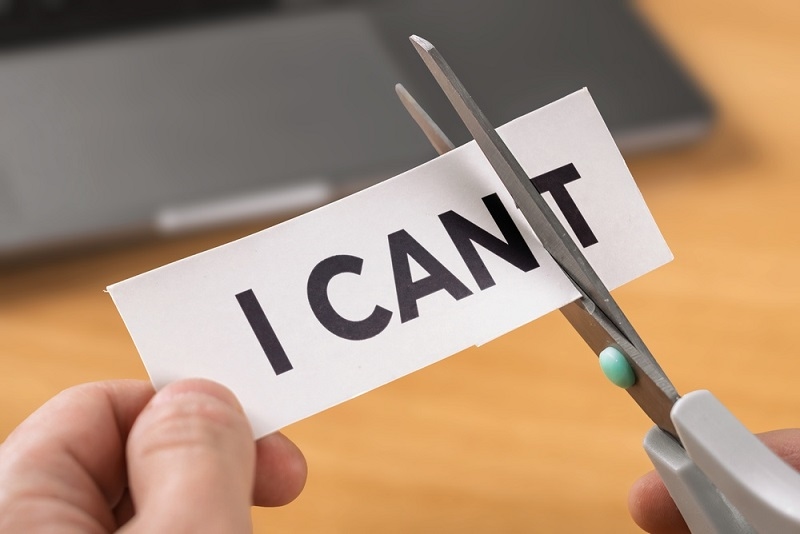
You know when you feel stuck and you cannot move forward when you know exactly what you need to do. This feeling is usually because of the thoughts that you have inside your head that stop you from doing things. These thoughts are like a wall that you need to climb over. Learning how to get past these thoughts is a step towards becoming a better person and doing well at work.
Limiting beliefs are things that you think are true. They are not really true. They are things that you think because of things that happened to you before or because you are scared or because you do not think you can do something. These limiting beliefs can make you do things that hurt you and stop you from being the person you can be. The good thing is that you can change the way you think; you can stop doing things that hurt you, and you can make a life that's what you really want.
Limiting beliefs are thoughts you have about yourself, others, or life that hold you back.
They can sound like this:
These thoughts may seem real. There are often things you learn. Not the truth. They usually come from things that happened in the past, such as being scared to fail or not feeling good about yourself. These beliefs affect the choices you make, how you act, and how confident you feel and keep you feeling stuck and unsure.
When you think negatively, your actions usually match those thoughts. This is where bad habits that hurt you come in. For example, if you think you are not good enough, you might put things off, avoid chances, or quit easily. These actions make a cycle that's hard to get out of.
Research says that negative thoughts and wrong ideas often make you avoid things like putting off work, getting sidetracked, or ignoring duties. These habits might seem like they keep you safe from failing. They actually stop you from moving forward.
Some common bad habits that hurt you are:
Recognizing the problem is the first step to change. These patterns often work without us even realizing it, which makes them harder to spot. Being aware of them is the key to breaking free.
You might have a fixed mindset if you:
A limiting belief is a state of mind where one engages in self-destruction and self-sabotage, leading to a low quality of life. In order to overcome this, it is important to practice certain habits to attain self-belief and reliance. Observe the following:
Start by paying attention to the thoughts that keep coming back. Ask yourself:
These thoughts that hold me back usually pop up in my mind a lot. They just happen without me thinking about it. Noticing these thoughts about myself is the first step to making a change in my life.
Once you find one question, if it's really true.
Ask yourself:
Most limiting beliefs are not based on facts. They are assumptions made in the past. When you challenge them, they lose their power.
To build a mindset, you need to change your negative thoughts to positive ones. This helps you think differently and feel more confident, over time.
Here are some examples:
You can try replacing your thoughts with positive ones; it really helps. It takes practice. It works.
Action helps to get rid of self-doubt.
You have to begin with steps that make progress. Invest time in journaling, meditation, and listening to positive podcasts to regain long-lost confidence and self-belief.
Every success, even if it seems minor, makes you more confident. Question what you previously thought.
Taking action can help you to stop doing things that sabotage yourself.
Fear of failure is a major driver for limiting someone's beliefs.
Instead of seeing failure as proof of inadequacy, view it as a learning experience. This mindset shift reduces fear and encourages growth.
A personal growth mindset is about learning, getting better, and being strong. When you have this mindset, you stop saying "I can't." Start saying "I can learn." This way of thinking helps you take on challenges and find chances to grow where others might see problems.
To get this mindset, here are some things you can do:
Over time this mindset becomes the way you naturally think.
To stop holding yourself back, you have to try. The things I am going to tell you will help you stay on track with what you want to do and stop doing things that're not good for you.
Change takes time, patience, and consistent effort. While working to overcome limiting beliefs, it is best to avoid the following mistakes:
Learning to overcome limiting beliefs is a change. These beliefs may have shaped your past. They don't have to define your future. You can change your life by understanding the habits that hold you back. You must change your thoughts and take action. This will help you find chances and grow as a person.
Building a growth mindset is not about being perfect. It's about getting better. Every step you take to know yourself and be more confident brings you closer to the life you really want. At AbsolutePriorities, we think your biggest change starts when you question what you've been thinking about yourself.
Limiting beliefs often develop from past experiences, failures, or negative feedback a person has received on a continuous basis, leading to self-sabotage. They can also stem from societal expectations or any childhood conditioning. Over time, these beliefs get internalized, and one starts believing in them, and they heavily influence how you think, act, and perceive your abilities.
The best way to know if you are self-sabotaging is if you have frequently engaged in procrastinating, avoided opportunities, or doubted your abilities despite having potential. These behaviors often stem from fear of failure or low self-confidence and can prevent you from achieving your goals.
Limiting beliefs may not disappear entirely, but they can be managed and replaced with empowering thoughts. With consistent effort, awareness, and practice, you can reduce their impact and develop a healthier, more positive mindset over time, leading to the glorification of your inner healed self and birth of a confident person.
This content was created by AI