

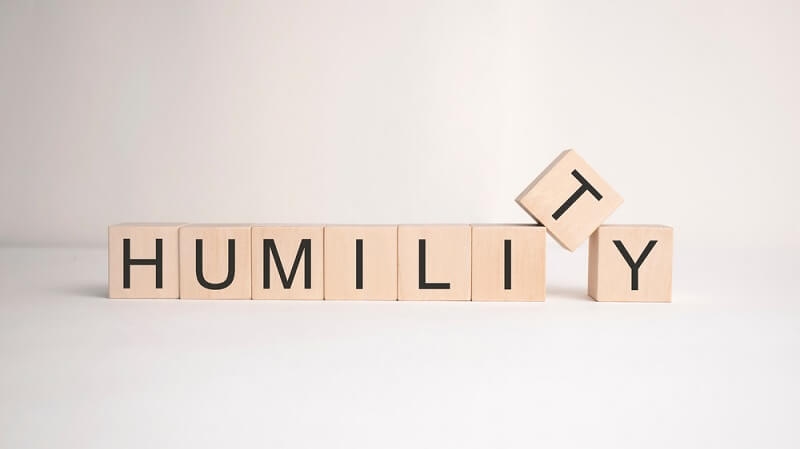
Humility in leadership is the foundation for building great teams, making sound decisions, and developing genuine trust. Humility in leadership is not a sign of weakness, but it is an attribute of strength that gives people the sense of being seen and appreciated. Most leadership qualities are bright and bold, but humility is what keeps all things in balance. Great leadership skills are deepened by listening, apologizing for mistakes, and giving credit where it is due. The best qualities of a leader include confidence, but servant leadership is a reminder that leading people starts with serving them. Humility in leadership creates a safe space where ideas flow freely, and growth is shared rather than imposed.
Humility in leadership is recognizing that no person knows everything, even in the highest position. Humility in leadership is when a leader values other people’s knowledge and allows room for opinions that would otherwise remain unheard. Humility in leadership is demonstrated in minute daily actions rather than in speeches.
All of these things relate directly to leadership skills because teams respect leaders who are real and honest.
Read More: Leadership Insights To Be An Effective and Respected Manager
Teams work better when fear stays low and trust stays high. Humility in leadership helps remove the pressure that comes from leaders acting perfect all the time. When leaders model learning behavior, others feel safe doing the same.
Leadership traits like empathy and patience grow naturally from leadership humility. Instead of controlling every detail, humble leaders guide direction and let talent shine. This approach supports servant leadership, where success is measured by how well others grow.
These are just a few ways that morale can be improved, which in turn affects performance in ways that statistics cannot measure.
Effective leadership skills often include planning, decision making, and motivation. Humility in leadership supports each of these by adding awareness and balance. A leader who listens gathers better information before choosing a path.
Leadership humility also improves conflict handling. Instead of defending pride, humble leaders focus on solving the problem. This helps preserve relationships while progress is made further ahead, even in times of tension.
These are much more indicative of the qualities of a good leader than any form of loud leadership.

Many qualities of a good leader sound bold, like confidence and decisiveness. Yet without humility, those traits can turn into stubbornness. Humility in leadership keeps power from becoming ego.
Leadership traits such as integrity, fairness, and compassion grow stronger when leadership humility exists. Teams notice when leaders stay grounded, and this builds credibility that lasts through challenges.
This helps in servant leadership because it keeps the spotlight on progress rather than self.
Servant leadership places people first, and humility in leadership makes this possible. Leaders who serve understand that authority is a responsibility, not a reward. Leadership humility helps leaders see their role as support rather than control.
A servant leadership mindset asks what the team needs to succeed, not what the leader wants to gain. This creates environments where growth happens steady and natural.
These behaviors represent strong leadership skills in a way that is very human and enduring.
Learn About: Master Delegation Skills to Boost Time and Team Productivity
Humility in leadership sometimes feels risky in competitive settings. Some worry that showing leadership humility may reduce authority. In truth, respect grows stronger when leaders stay honest and open.
Another challenge comes from fast decision environments. Leaders might feel pressure to act quickly without input. Still, even brief listening moments support better outcomes and show the qualities of a good leader.
These reminders help leaders stay steady while building effective leadership skills over time.
Short term wins can happen with forceful styles, but lasting success often follows humility in leadership. Teams stay loyal to leaders who respect them. Leadership humility builds cultures where learning never stops.
Organizations benefit when leaders grow alongside their teams. This shared growth reflects servant leadership and strengthens leadership traits that support change and resilience.
These benefits can be easily linked to the characteristics of an effective leader who cares about people as much as results.
Humility in leadership can be learned through reflection and practice. Leaders who stop considering their impact grow faster than those who rush forward without thought. Leadership humility begins with self awareness.
Feedback is an important part of developing leadership skills. Leaders who seek feedback are able to learn about blind spots. This helps improve communication and decision-making.
By following these steps, servant leadership can be improved and leadership qualities can be developed that will remain even in tough situations.
Humility in leadership spreads when leaders model it consistently. Teams often mirror behavior they see from the top. When leadership humility becomes normal, collaboration feels natural.
An organization that embraces servant leadership and respect promotes open communication. This is because it helps to develop leadership skills at all levels and not just at the leadership level.
Such habits reflect the qualities of a good leader and shape environments where everyone can thrive.
Get insights on: Workplace Success Habits for Recognition and Career Growth
Humility in leadership builds trust, fosters growth, and helps develop strong relationships. It enhances qualities that remain even after the position is over. When leaders focus on servant leadership and work on building strong leadership qualities, the workplace becomes a healthier place, and success becomes steady with respect at its core.
Humility in leadership is the act of leading with openness, respect, and a willingness to learn from others, no matter their position or status.
Humility in leadership is important because it helps to increase trust, teamwork, and communication, resulting in enhanced performance and a healthier work environment.
Humility is an important part of servant leadership because leaders are more concerned with the growth of others than with their own recognition and control.
Yes, humility is an important quality that can enhance effective leadership skills by increasing listening, decision-making, conflict resolution, and team relationships.
This content was created by AI