

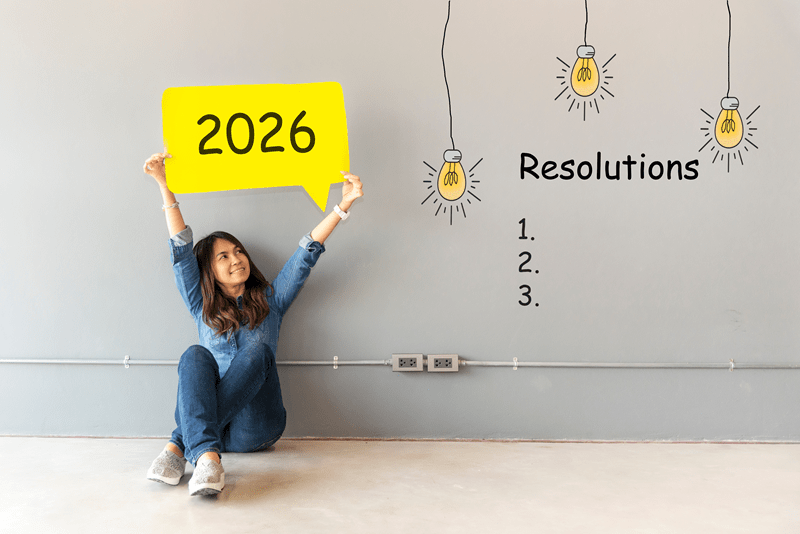
Every January, we promise ourselves change. Better habits. Bigger goals. A sharper version of who we want to be. Then life happens. Motivation dips. Old routines sneak back in. This blog is about breaking that cycle with intention, not willpower. We’ll walk through a real growth resolution built on research, human behavior, and everyday reality. You’ll learn how habits actually change, why personal development feels harder than it should, and how goal setting can stop feeling like a chore and start feeling doable. Along the way, we’ll talk about self-improvement habits, behavior-changing techniques, and small mindset shifts that quietly move the needle.
A real growth resolution isn’t about hype or pressure. It’s about steady progress that feels human. Before we get into the ten steps, let’s ground this in reality. Growth isn’t linear. It’s messy, sometimes boring, and often slower than we’d like. That’s normal. Here’s the thing, though. When the process respects how people truly change, results follow.
Most resolutions focus on what you want to get. Research shows that change lasts longer when you focus on who you want to become. Instead of saying “I want to lose 20 pounds,” try “I’m becoming someone who takes care of their health.” That subtle shift shapes daily choices without constant motivation.
Big goals scare the brain. Small ones invite action. Want to read more? Start with two pages. Want to work out? Five minutes count. This approach supports how to change habits by lowering resistance. Momentum grows quietly, then suddenly.
This is where behavior-changing techniques shine. Pair a new habit with something you already do. Stretch after brushing your teeth. Journal while your coffee brews. Your brain loves patterns, and this keeps effort low.
Honestly, willpower is overrated. The environment does the heavy lifting. Keep healthy snacks visible. Put your phone in another room when working. These small tweaks support personal development without draining energy.
Tracking works, but only when it stays friendly. A simple checklist or app like Habitica or Notion keeps things visible. The goal isn’t perfection. It’s awareness. Miss a day? You’re still in the game.
Motivation fades. That’s not failure; it’s biology. Plan for low-energy days ahead of time. Decide what “minimum effort” looks like. This keeps your real growth resolution alive when enthusiasm dips.
Doing something small every day beats doing something big once a week. This principle sits at the heart of self-improvement habits. Consistency builds trust with yourself, and that trust compounds.
Daily reflection can turn into pressure. Weekly check-ins work better. Ask what felt easy, what felt heavy, and what you’d adjust. Reflection supports goal setting without micromanaging your life.
Share your goals with people who support effort, not just outcomes. A walking buddy or online group can keep things light and accountable. Growth doesn’t have to be lonely.
Slip-ups aren’t proof that you can’t change. They’re data. Treat them like notes from the field. Adjust, don’t quit. This mindset alone keeps most people moving forward.
Also read: Embrace Mindset Shifts to Overcome Challenges and Thrive Now

Personal development often gets marketed as exciting and fast. Real life disagrees. This section clears up why growth can feel frustrating, even when you’re doing things right.
Your brain likes predictability, even when habits aren’t great. Change signals uncertainty. Understanding this makes resistance feel less personal and more mechanical.
Growth often happens beneath the surface first. You’re building neural pathways, not trophies. Trust that process, even when results lag.
Social media highlights outcomes, not effort. Measuring your growth against someone else’s timeline distorts reality. Your pace is still valid.
This part connects research with real-life pacing. Sustainable change doesn’t rush.
Do harder habits when your energy peaks. For many Americans, that’s morning. Save lighter habits for later. Timing matters more than intensity.
Rest isn’t laziness. It’s part of growth. Recovery days help habits stick longer and reduce quit rates.
What works in March might not work in August. Adjusting doesn’t mean starting over. It means paying attention.
Some days are just heavier. Instead of quitting, shrink the habit. A short walk replaces a workout. One sentence replaces a full journal page.
Burnout often starts as a mild annoyance. Maybe the habit feels awkward or overly time-consuming. That’s your cue to tweak it early.
Don't miss: Enhance Mind and Life with Journaling for Growth and Clarity
Goal setting gets a bad reputation because it’s often rigid. It doesn’t have to be.
Deadlines motivate, but flexibility keeps things realistic. Think seasons, not exact dates.
Show up consistently, and outcomes follow. This keeps the effort rewarding, even before results appear.
Celebration wires habits deeper. Acknowledging effort matters more than you think.
Ambition changes with life's load. A busy quarter calls for simpler goals. Matching goals to your current season keeps progress realistic and guilt-free.
Long-term growth happens when habits blend into identity.
Motivation fluctuates. Routines don’t. Build habits that survive bad moods and busy weeks.
And that’s okay. Sustainable change often feels ordinary. That’s a sign it’s working.
Growth doesn’t need constant seriousness. Enjoyment improves follow-through. Simple as that.
Read more: Adopt Lifelong Learning Habits to Sharpen Your Mind & Skills
A real growth resolution isn’t about becoming someone new overnight. It’s about showing up a little more honestly, a little more often. Change works best when it respects human nature, not when it fights it. With the right structure, flexible goal setting, and realistic self-improvement habits, progress becomes quieter, steadier, and far more sustainable. You know what? That kind of growth lasts.
It focuses on identity, consistency, and behavior science rather than motivation alone. That makes change easier to sustain.
Most habits take weeks to stabilize, not days. Consistency matters more than speed.
Yes, but keep them small. Too many large goals dilute focus and energy.
That’s expected. Systems, routines, and environment carry you when motivation fades.
This content was created by AI